
Biophilic Design Blooms in 2026
In today’s world it feels almost impossible to escape screens, concrete, steel, and endless man‑made materials. Nature is always right outside our door, but carving out the time to actually connect with it can feel like a luxury. That’s why more people, and increasingly, more designers are turning toward biophilic design as a way to bring a sense of nature back into the places we spend most of our time.
What Is Biophilic Design?
As humans, we have an innate connection to the natural world. Yet in modern life, plugging into that connection requires more intentional effort than ever. We spend our days surrounded by artificial lighting, digital interfaces, and built environments that often feel cold or disconnected.
Biophilic design steps in to bridge that gap. At its core, biophilic design is about bringing the outdoors in by integrating elements of nature directly into architecture, interiors, and everyday living. When we interact with natural forms, textures, and light, research shows we experience measurable benefits: lower stress levels, improved focus, greater creativity, and overall better well‑being.
Biophilic elements can take many forms, including:
- Living plants and greenery (fake plants get the job done too)
- Natural materials like wood, stone, clay, or bamboo
- Textiles such as linen, wool, and natural weaves
- Nature‑inspired colors and organic patterns
- Abundant natural light
- Water features
- Fresh air flow or gentle breezes
- Curved, organic shapes rather than harsh angles
These elements don’t have to be dramatic to make an impact, sometimes a single natural material or small shift in lighting can create a noticeably calmer and more grounded space.
What Does Biophilic Design Look Like?
One of the most appealing aspects of biophilic design is its versatility. You don’t have to completely change your aesthetic to bring in elements of nature, you can simply layer biophilic components into the design style you already love. Whether your home is modern, rustic, minimalist, colorful, or eclectic, biophilic principles can enhance it while staying true to your personal style.
Below are a few examples of how biophilic design can blend seamlessly into different interiors.
Minimalist & Modern Spaces
If your home leans toward clean, simple, and uncluttered, biophilic design can add warmth without disrupting the aesthetic. Integrate with:
- Light wood finishes (white oak, ash)
- Sheer roller shades to maximize natural light
- Soft, neutral linens or textured natural fabrics
- A single statement plant (like a fiddle‑leaf fig or snake plant)
- Sculptural vases or organic‑shaped décor pieces
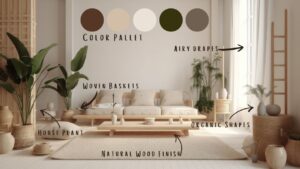
Result:
A calmer, softer version of modern minimalism that still feels airy and intentional.
Farmhouse or Rustic
Rustic design pairs beautifully with biophilic elements because natural materials are already central to the look.
Integrate with:
- Chunky wood beams or reclaimed wood furniture
- Textured linens for soft window coverings
- Earth‑toned palettes (clay, taupe, sage)
- Hanging plants or small herb gardens
- Wicker, rattan, or woven baskets
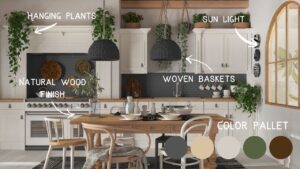
Result:
A nature‑rich environment that feels warm, lived‑in, and connected to the outdoors.
Industrial Style
Industrial design is often steel‑heavy, so biophilic elements bring much‑needed softness and balance.
Integrate with:
- Warm-toned wood accents to contrast metal
- Earthy, textured fabrics for roller or Roman shades
- Larger plants with architectural shapes (monstera, rubber plants)
- Rough stone or concrete paired with natural fibers
- Large windows or skylights to preserve daylight
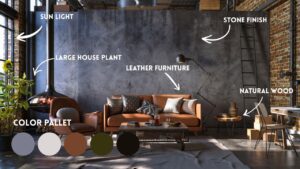
Result:
A more inviting version of industrial that keeps its edge while feeling more human and grounded.
Coastal Style
Coastal aesthetics are already inspired by nature. Biophilic design enhances the connection even more.
Integrate with:
- Breezy, sheer fabrics for shades
- Driftwood tones and light woven materials
- Plants with soft movement, like palms or grasses
- Ocean‑inspired blues paired with sandy neutrals
- Natural light as a central design feature
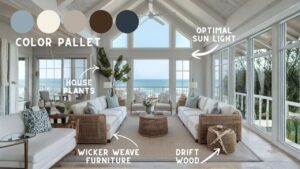
Result:
A soothing, sun‑filled space that mirrors the outdoors.
Bold or Eclectic Spaces
Even more expressive design styles can embrace biophilic concepts without feeling muted or neutralized.
Integrate with:
- Jewel‑toned plants (such as rubber trees or calatheas)
- Deep‑colored natural textiles like dark linen or charcoal weaves
- Organic‑patterned fabrics or botanical prints
- Mixed natural materials: bamboo, stone, rattan, cork
- Statement green walls or clusters of plants in varying heights
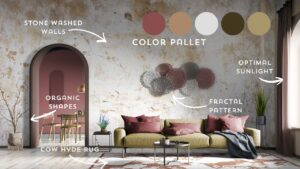
Result:
A vibrant, dynamic space where nature adds an additional layer of richness.
These small design choices help your home or workspace feel calmer, more inviting, and more connected to the outside world. No hiking trail needed.
How You Can Apply Biophilic Design Using Shades
Natural light is one of the strongest connections we have to the outdoors, which makes window coverings a surprisingly powerful tool in biophilic design. The right shades help shape and filter sunlight, balance brightness throughout the day, and create a harmonious relationship between your indoor space and the natural rhythms outside.
At Lutek, several shading solutions support biophilic principles seamlessly:
Roman Shades
Roman shades introduce softness, organic folds, and tactile fabrics. When crafted from natural fibers or earthy tones, they bring warmth and subtle texture that mimic elements found outdoors.
Roller Shades
Simple and versatile, roller shades can be paired with fabrics inspired by linen or woven grasses. They offer precise control over brightness, helping you maintain comfortable, consistent natural light without sacrificing clarity or views.
Dual Roll Shades
Dual roll shades combine two fabrics, one sheer and one opaque, allowing you to transition easily between filtered daylight and full privacy. This flexibility supports healthy circadian rhythms by giving you better control over light exposure throughout the day.
Pergolas & Outdoor Shading
Biophilic design isn’t limited to interiors. Pergolas extend your living space outward, creating breathable, shaded environments that encourage more time spent outside. They offer protection while still letting sunlight and fresh air flow naturally.
Natural Fibers & Weaves
Fabric choice plays an important role in biophilic design. Lutek’s selection of natural fibers, textured weaves, and organic materials introduces subtle visual reminders of nature through earthy hues, tactile patterns, and the way sunlight interacts with each surface.
Automation for Natural Light Harmony
Automation enhances biophilic design by syncing your shades with the changing light throughout the day. With automated systems, you can:
- Maximize morning sunlight
- Reduce midday glare
- Maintain gentle, balanced lighting in the afternoon
- Support natural energy cycles and improve overall comfort
This creates a living environment that adapts to the sun and feels more connected and alive.
Let’s Bring Nature‑Inspired Design to Life Together
From concept to creation, our team is dedicated to bringing your vision to life with custom shading and design solutions that harmonize beauty, function, and nature.
Let’s create something inspiring, reach out to us today.